Rich Dad Poor Dad is worth reading for one idea and worth questioning on almost everything else. Robert Kiyosaki’s point that money should work for you, through things that pay you, is a good one, and most people never hear it at school. But the book is a set of stories, not a method, and there is no risk management in it at all. As a trader, that is the part I can’t get past.
Kiyosaki self-published the book in 1997, written with Sharon Lechter, and Warner Books picked it up in 2000. The edition I link below is the 20th-anniversary one from Plata Publishing, April 2017, which opens with a new section looking back on the first 20 years. Kiyosaki was born in Hilo, Hawaii, in 1947, went to the US Merchant Marine Academy and flew helicopters for the Marine Corps in Vietnam. After the book he built a business around it, including the Cashflow board game. When the book turned 25 in 2022, Publishers Weekly put its sales at upward of 44 million copies.
What is Rich Dad Poor Dad about?
The book contrasts two fathers. The poor dad is Kiyosaki’s own father, Ralph Kiyosaki, a teacher who became Hawaii’s state superintendent of schools and, by his son’s account, died broke. The rich dad is the father of a close friend, a man with little formal education who built his own businesses. Kiyosaki has never named him; in a 2000 interview with the Honolulu Star-Bulletin he said he had an agreement with the family not to. Critics have doubted he was one real person. I read him as a teaching device either way.
Around those two characters the book is built on six lessons:
- The rich don’t work for money
- Why teach financial literacy?
- Mind your own business
- The history of taxes and the power of corporations
- The rich invent money
- Work to learn, don’t work for money
The core idea sits in the second lesson. An asset puts money in your pocket; a liability takes money out. Most people, Kiyosaki says, buy liabilities and call them assets, with the family home as his favorite example, and then work harder to pay for them. The rich buy things that pay them and let that income cover the lifestyle.
What I took from it as a trader
The asset-versus-liability test is the useful part, and it is useful for traders too. A trading account is only an asset if it puts money in your pocket over time. A strategy that needs a new course, a new indicator subscription and a new deposit every few months is, by Kiyosaki’s own definition, a liability. I like that test because it ignores how clever the method sounds and looks only at the cash flow.
The idea that you should work to learn rather than for the paycheck also fits trading. Most of what I know came from losing small amounts and writing down why. That is the same deal Kiyosaki describes: the early years are tuition.
Rich Dad Poor Dad criticism: where I disagree
The problem is what the book leaves out. There is no position sizing, no stop, no idea of what happens when a leveraged property deal goes wrong. The stories are of deals that worked. In trading terms it is all entries and no exits, and I have written enough about where the stop goes and how much to buy to know which half decides whether you survive.
It is also light on facts. John T. Reed, a real-estate author, wrote a long critique arguing that much of the advice is wrong or dangerous and questioning whether the rich dad ever existed. You don’t have to agree with all of it to see his point: a money book that can’t be checked works as motivation, and that is about all.
And Kiyosaki’s own business record is a fair thing to mention. In 2012 his company Rich Global LLC filed for Chapter 7 bankruptcy in Wyoming, after a federal judge in New York awarded The Learning Annex about $23.7 million. The Learning Annex, an early backer that had helped arrange his speaking events, said it was owed a share of the profits from them. Kiyosaki himself did not file for bankruptcy; Rich Global was one of several companies he did business through. It is still a reminder that the man selling the “make your money work for you” message was not immune to the risks he rarely writes about.
Is Rich Dad Poor Dad worth reading?
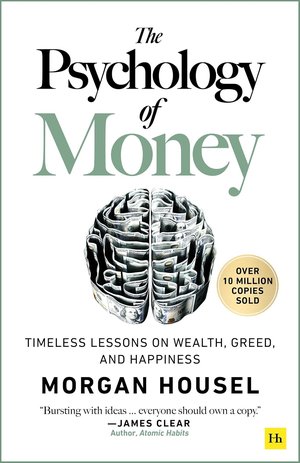
For someone who has never thought about money beyond the next salary, yes, once. It is quick, it is readable, and the asset test changes how you look at your own spending. For anyone who already invests or trades, it adds little: no numbers to test, no rules, and a lot of confidence. If you want a money book that tells the truth about luck and risk, Morgan Housel’s The Psychology of Money is the better choice, and Nassim Taleb’s Fooled by Randomness explains why stories of people who got rich prove very little.
My verdict: read it for the asset-versus-liability idea, then put it down before you borrow money to buy your first rental. Kiyosaki is right that money should work for you. He just forgets to mention that it can also work against you, and with leverage it works faster in both directions.
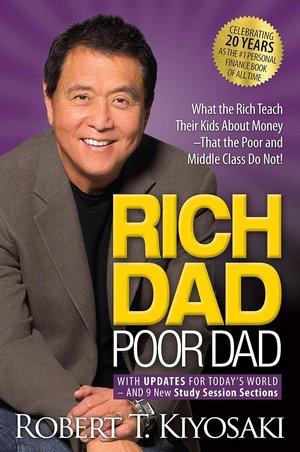
Affiliate link: as an Amazon Associate I earn from qualifying purchases. It doesn’t change the verdict.